

20 May 2026
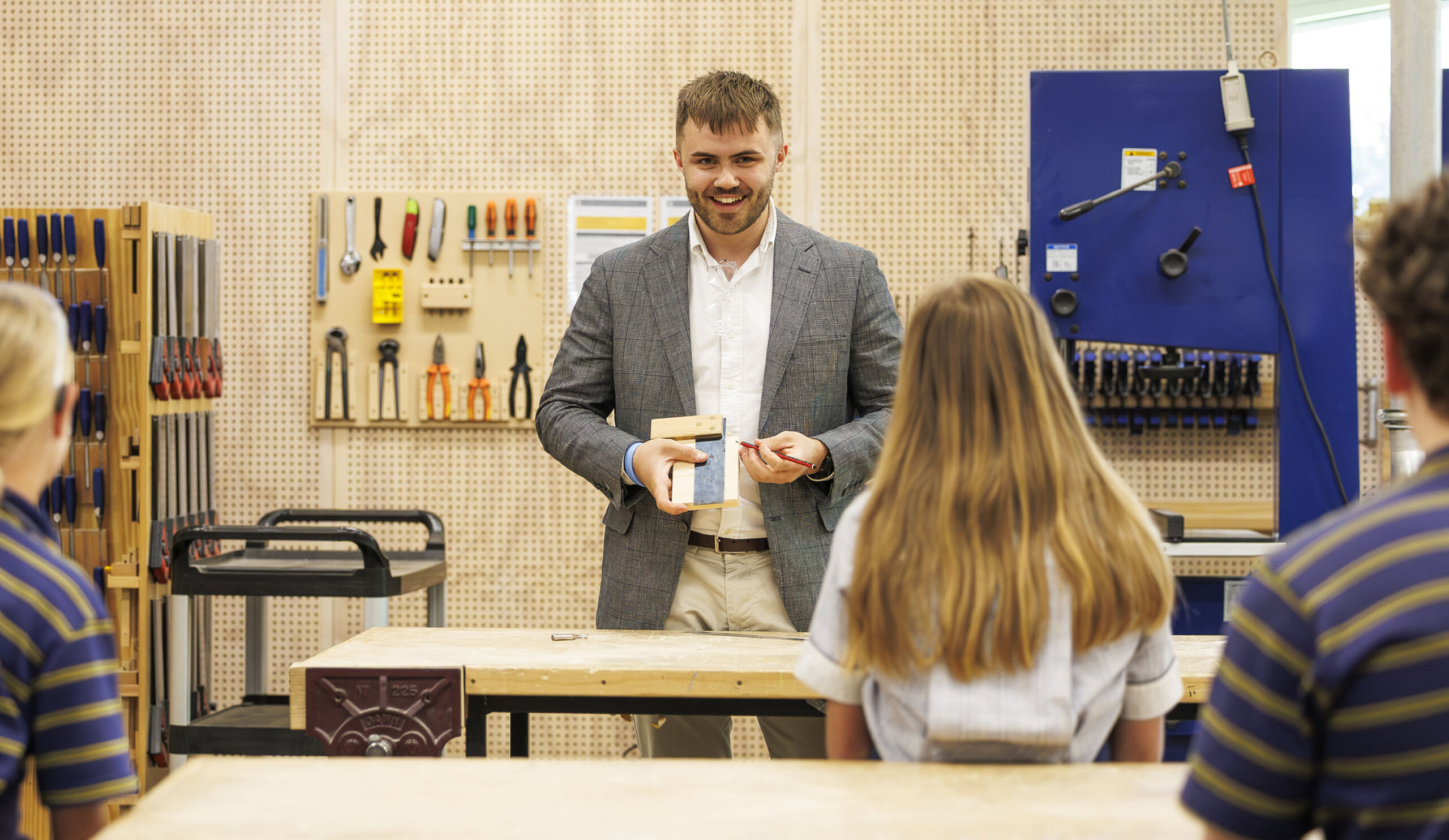
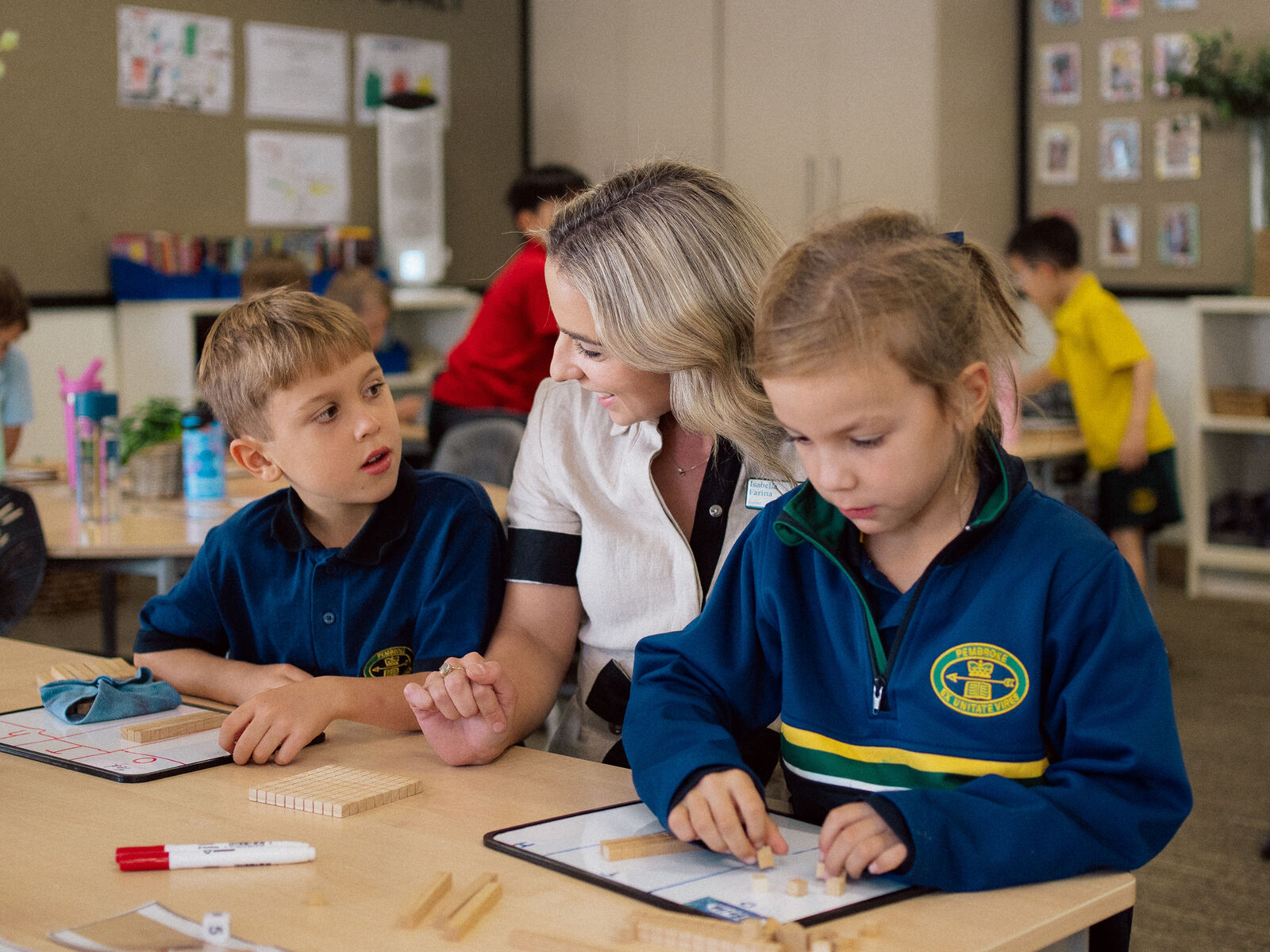
What narrows it, more than any formal training, is the quality of the environment a teacher lands in during those first few years. At Pembroke, that environment is something the School takes seriously. Two early career teachers, Isabella Farina (Junior School Class Teacher) and Liam Sutton (Middle and Senior Design and Technology Teacher), spoke about their experiences. Their paths into teaching could not be more different, and that contrast itself says something about who Pembroke attracts and how the School benefits from the mix.
How They Landed Here
Bella came to teaching with a clear sense of direction. She had spent her school years coaching and mentoring younger students in sport, enrolled in a Bachelor of Education (Primary), and progressed through her degree alongside retail and out-of-school-hours care work. The combination built her capacity to manage competing demands while staying focused on outcomes for others. By the time she completed her degree, she had already been promoted to store manager.
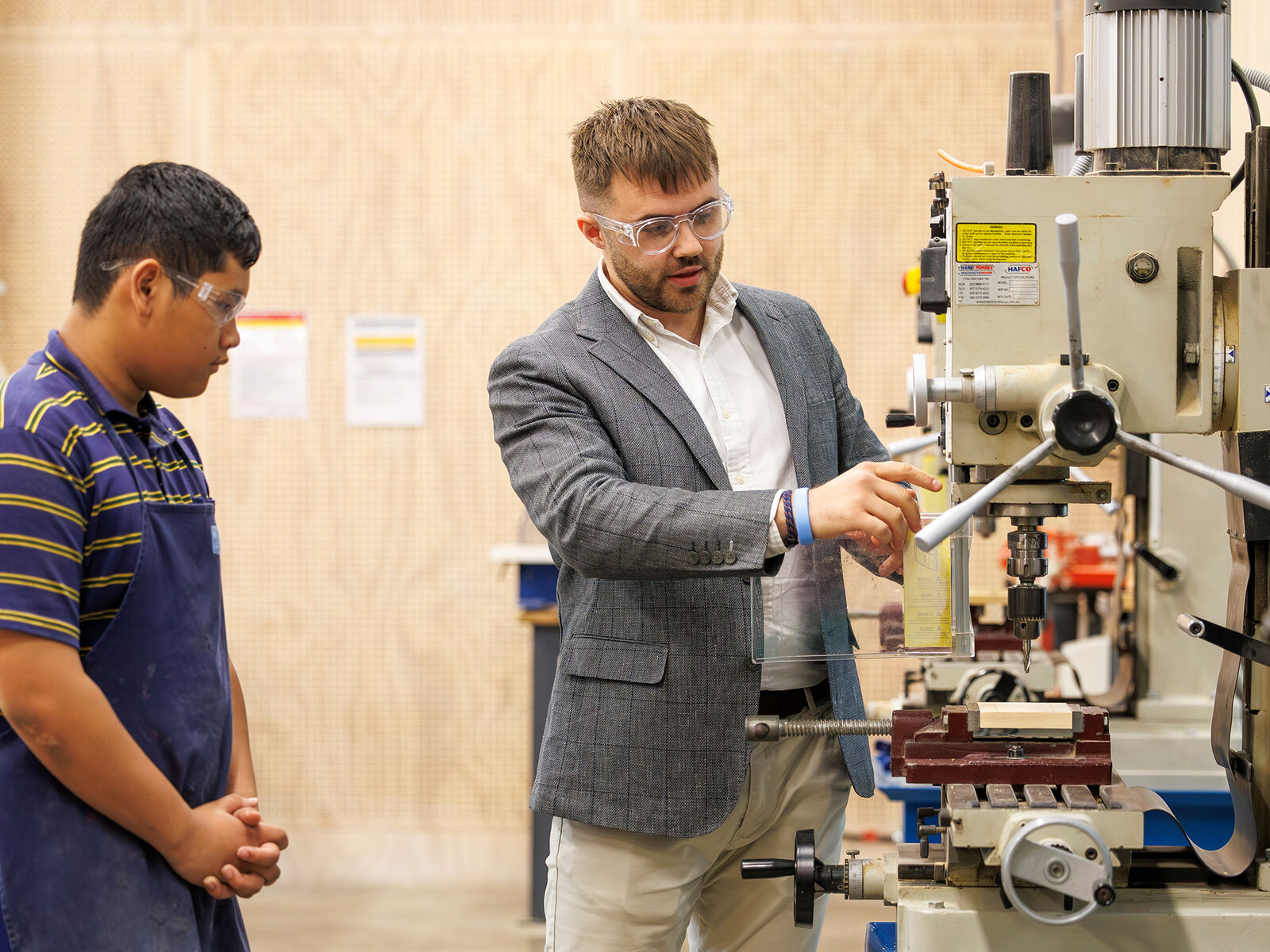
Liam arrived via a different route. He began a Bachelor of Business, took a job at BankSA and quickly concluded that an office desk was not where he wanted to spend his days. He switched to a Bachelor of Secondary Education, completed placements at four different schools across Adelaide and joined Pembroke straight out of university. He is now in his fourth year, teaching
Design and Technology from Year 7 to Year 11, and has recently taken on his first Position of Responsibility as Acting Assistant Head of Reeves House.
What Early Career Support Looks Like
Bella enjoyed a high level of both structured and informal support as an early career teacher. 'I received ongoing mentoring from an experienced teacher, clear guidance around parent-teacher communication and professional practice, and I participated in Pembroke’s Quality Teaching Rounds professional development. I have also been supported through targeted professional learning, including my Master of Education studies, where I am majoring in Leadership and Innovation.' Liam found the most support came from his colleagues. 'I have been lucky to learn so much from staff within my faculty, who have been amazing in guiding me, sharing resources for classes, moderating assessments and providing constructive feedback along the way.'
I received ongoing mentoring from an experienced teacher, clear guidance around parent-teacher communication and professional practice, and I participated in Pembroke’s Quality Teaching Rounds professional development. I have also been supported through targeted professional learning, including my Master of Education studies, where I am majoring in Leadership and Innovation.
Both Bella and Liam speak warmly about Pembroke as a place to develop. Liam, who came in unsure whether teaching would stick, is now unambiguous: 'I absolutely love what I do. It is so rewarding and we have the most amazing community of staff and students.'
What New Teachers Bring
In asking Bella and Liam what early career staff contribute to Pembroke’s overall culture, the answers are consistent: currency, perspective and fresh ideas.
Bella cites her familiarity with ACARA Version 9 (the Australian Curriculum) as an example. Having just completed her studies during the transition, she arrived with a working knowledge of the updated curriculum that saved her colleagues time and prompted productive planning conversations. It was not theoretical familiarity; it was practical, and her colleagues recognised it as such.
Liam makes a broader point. Having done placements across four different schools, he came to Pembroke with a mental catalogue of what works elsewhere. He is candid about the risk he sees in institutional insularity: 'I believe too often in education we get stuck in the bubble of our own site, thinking what we are doing is the best without reinvigoration.' Early career teachers, moving between sites during training, are well-placed to challenge that assumption, and Pembroke’s culture for continuous improvement not only allows it, but encourages it.
Liam adds one caveat, and it is a good one: new ideas land better when combined with an understanding of why things are done a particular way in the first place. Pembroke’s winning combination of early career teachers and more experienced teachers within the same faculty makes that kind of exchange possible, driving student engagement and success.
Leadership Without Waiting
One of the things that surprised Liam about Pembroke was the sheer range of leadership pathways on offer. In his first four years, he has assisted with the HPV/ Pedal Prix Program, attended and helped coordinate trips and taken on additional responsibilities at both curriculum and pastoral levels. Now, Liam is excelling as the Acting Assistant Head of Reeves House, a role he has earned through involving himself in school life and seeking out opportunities as much as possible.
Bella's leadership in the Junior School is different in character: more embedded, less formally titled.
She has taken on mentoring roles with students, contributed to collaborative planning and supported colleagues, and is now extending her co-curricular coaching across multiple year levels, strengthening students’ skill development while also fostering leadership, responsibility and resilience.
Gabbi Agnew
Publications Manager